
Lilac Trimming Service in Ventura County, CA
Lilac trimming services involve carefully shaping and pruning lilac bushes to promote healthy growth and maintain an attractive appearance. This project typically includes removing dead or overgrown branches, thinning out dense foliage, and ensuring the plant’s structure supports vibrant blooms each season. Homeowners often request these services to control the size of their lilacs, prevent branches from becoming too heavy or unruly, and to enhance the overall aesthetic of their landscape.
Before requesting lilac trimming, property owners should consider the timing of the service, as late winter or early spring is usually ideal for pruning to encourage strong flowering. It’s also helpful to understand the current condition of the bushes, including any areas that may be damaged or diseased. Clear communication about the desired shape or size, as well as any specific concerns about the health of the plant, can help ensure the trimming process aligns with landscaping goals.
Many property owners in Ventura County, CA look into Lilac Trimming Service for repairs, replacements, upgrades, and appearance-related improvements.

Lilac Tree Maintenance
Regular trimming helps maintain the health and shape of lilac bushes in ventura county gardens.

Enhancing Garden Aesthetics
Proper lilac trimming can improve the overall appearance and curb appeal of residential landscapes.
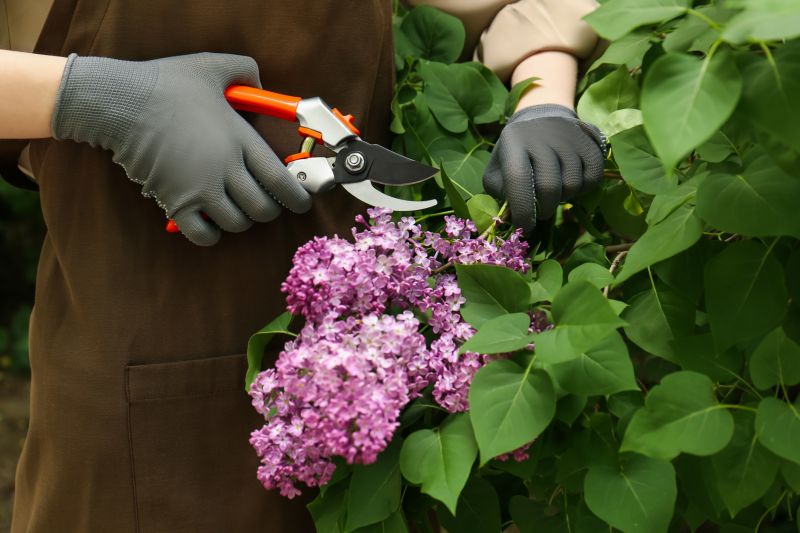
Seasonal Pruning Services
Seasonal trimming ensures lilacs bloom beautifully each year and prevents overgrowth in backyard spaces.
Lilac Trimming Service in Ventura County, CA

Lilac trimming services involve carefully shaping and pruning lilac bushes to promote healthy growth and maintain an attractive appearance. This project typically includes removing dead or overgrown branches, thinning out dense foliage, and ensuring the plant’s structure supports vibrant blooms each season. Homeowners often request these services to control the size of their lilacs, prevent branches from becoming too heavy or unruly, and to enhance the overall aesthetic of their landscape.
Before requesting lilac trimming, property owners should consider the timing of the service, as late winter or early spring is usually ideal for pruning to encourage strong flowering. It’s also helpful to understand the current condition of the bushes, including any areas that may be damaged or diseased. Clear communication about the desired shape or size, as well as any specific concerns about the health of the plant, can help ensure the trimming process aligns with landscaping goals.
Many property owners in Ventura County, CA look into Lilac Trimming Service for repairs, replacements, upgrades, and appearance-related improvements.
Common Lilac Trimming Service Jobs
Lilac Trimming - shaping and pruning lilacs to promote healthy growth and flowering.
Lilac Deadheading - removing spent blooms to encourage new blossoms and maintain appearance.
Lilac Shaping - trimming to maintain a balanced and attractive shrub form.
Lilac Thinning - reducing overcrowding for better air circulation and plant health.
Lilac Renewal - restoring overgrown or neglected lilacs through selective pruning.
Lilac Maintenance - regular trimming to keep lilacs healthy, tidy, and vibrant.
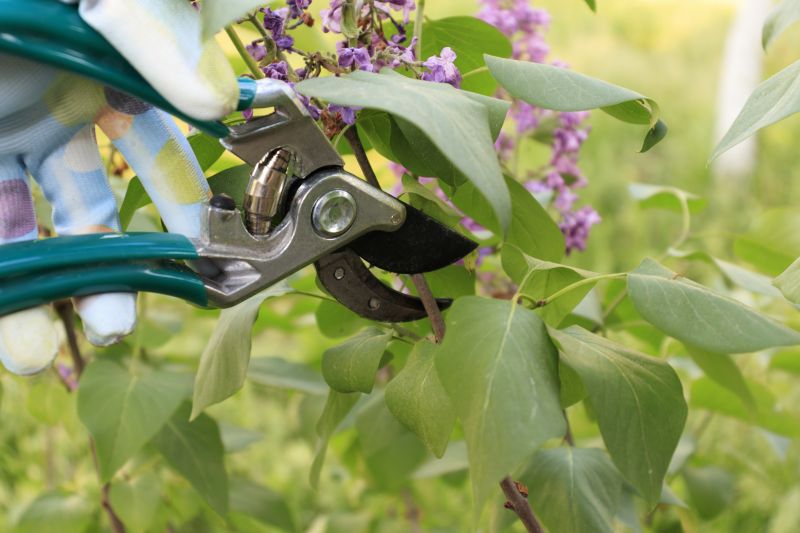


Lilac Trimming Service Questions
What is lilac trimming? Lilac trimming involves removing dead, damaged, or overgrown branches to promote healthy growth and improve the plant's appearance.
When is the best time to trim lilacs? The ideal time for trimming lilacs is immediately after they finish blooming, typically in late spring or early summer.
Why should lilacs be trimmed regularly? Regular trimming helps maintain shape, encourages more abundant flowering, and prevents disease or pest issues.
Can lilacs be pruned into specific shapes? Yes, lilacs can be pruned into formal or informal shapes to suit landscape preferences and enhance curb appeal.
Request Lilac Trimming Service in Ventura County, CA
Use the quote form on this page to share the basics of your project and request more information for the type of work you need.